

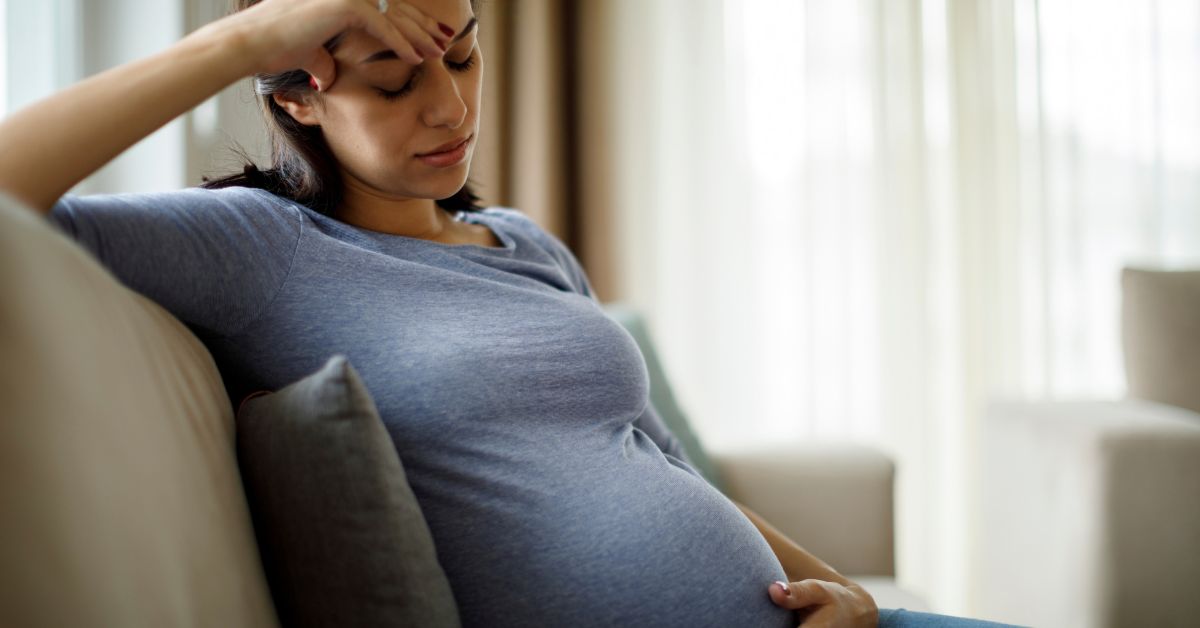
A preeclampsia diagnosis during pregnancy can be frightening, especially if your doctor recommends an early delivery. Symptoms that develop after childbirth can be equally concerning. Fortunately, preeclampsia treatment options are available, and many cases have positive outcomes with appropriate medical care.
Understanding how preeclampsia is treated, when delivery may be necessary, and which warning signs require immediate attention can help you know what to expect. It is also important to understand when complications may raise questions about the medical care you received.
What Is Preeclampsia?
Preeclampsia is a pregnancy complication characterized by high blood pressure, usually developing after 20 weeks of pregnancy. It is frequently accompanied by proteinuria (protein in the urine), although the condition can also develop without it. Preeclampsia affects approximately 2-8% of all pregnancies worldwide.
The condition can affect the mother’s kidneys, liver, brain, and other organs. It may also interfere with blood flow to the placenta, affecting the baby’s growth.
Preeclampsia can lead to serious complications, including:
- Eclampsia: Seizures associated with preeclampsia
- HELLP Syndrome: A severe complication involving red blood cells, the liver, and platelets
- Fetal Growth Restriction: A condition in which the baby does not grow as expected
Early diagnosis and careful monitoring can help reduce the risk of serious complications for both mother and baby.
How Is Preeclampsia Treated During Pregnancy?
Treatment for preeclampsia depends on how severe the condition is, how far the pregnancy has progressed, and the health of the mother and baby.
Treatment for Mild Preeclampsia
When preeclampsia is mild and there are no signs of serious complications, doctors may recommend close monitoring rather than immediate delivery.
Care may include:
- Regular blood pressure checks, sometimes several times a week
- Blood tests to monitor kidney function, liver function, and platelet levels
- Urine testing
- Ultrasounds to monitor the baby’s growth
- Tracking fetal movements and checking the baby’s well-being
If the condition remains stable, delivery is typically recommended at 37 weeks.
Treatment for Severe Preeclampsia
When preeclampsia causes dangerously high blood pressure or signs of organ damage, more intensive medical care is needed, often in a hospital.
Preeclampsia treatment options may include:
- Blood Pressure Medications: Drugs such as labetalol, nifedipine, or hydralazine may be used to control dangerously high blood pressure.
- Magnesium Sulfate: This medication is given to help prevent seizures.
- Corticosteroids: This medication may help the baby’s lungs mature if premature delivery is expected.
- Early Delivery: Delivery may be necessary when continuing the pregnancy puts the mother or baby at risk.
For patients with severe preeclampsia, delivery is generally recommended at 34 weeks or later, once the mother’s condition is stable. Earlier delivery may be necessary if the mother’s or baby’s health worsens.
Why Is Delivery the Definitive Treatment for Preeclampsia?
The placenta plays a central role in the development of preeclampsia. Delivering the baby and placenta addresses the underlying cause of the condition.
However, delivery is not an immediate cure.
According to the Preeclampsia Foundation, mothers can remain at risk after childbirth. Blood pressure may stay elevated, symptoms may worsen, or postpartum preeclampsia may develop even when there were no problems during pregnancy.
Doctors must carefully balance the risks of continuing the pregnancy against those of delivering the baby too early. Continuing the pregnancy can put the mother and baby at risk, but delivering too early can also lead to complications, including breathing difficulties, feeding problems, and developmental delays.
Preeclampsia Treatment for High-Risk vs. Low-Risk Patients
Certain factors increase the likelihood of developing preeclampsia, including chronic hypertension, kidney disease, diabetes, autoimmune disorders, a personal or family history of preeclampsia, and carrying twins or other multiples. First pregnancies, obesity, and maternal age can also affect risk.
Patients at increased risk may need more frequent prenatal monitoring and additional testing.
The American College of Obstetricians and Gynecologists (ACOG) recommends low-dose aspirin for certain high-risk patients, starting between 12 and 28 weeks of pregnancy, ideally before 16 weeks.
Aspirin can help reduce the risk of developing preeclampsia, but it does not treat the condition once it develops.
Lower-risk patients receive routine prenatal care unless complications arise. Once preeclampsia is diagnosed, treatment depends on the severity of the condition and the health of the mother and baby.
Signs Preeclampsia Treatment May Not Be Working
Preeclampsia can worsen quickly, even when a patient is receiving treatment.
Warning signs include:
- Blood pressure that remains dangerously high despite medication, particularly when the top number reaches 160 or the bottom number reaches 110
- Severe or persistent headaches
- Blurred vision, seeing spots, or temporary vision loss
- Pain in the upper-right abdomen
- Shortness of breath
- Sudden swelling of the face or hands
- Worsening kidney or liver function or declining platelet levels
- Decreased fetal movement or concerning fetal monitoring results
Severe headaches, vision changes, difficulty breathing, or severe abdominal pain require immediate medical evaluation. Contact your maternity care team or seek emergency care without delay.
These warning signs may indicate that preeclampsia is progressing and treatment needs to change. When healthcare providers fail to recognize or respond to worsening symptoms, serious complications can follow.
Long-Term Health Effects of Preeclampsia After Delivery
According to Yale Medicine, women who experience preeclampsia face approximately twice the risk of developing heart disease or stroke later in life.
Other possible effects include chronic high blood pressure, kidney problems, and an increased risk of preeclampsia in future pregnancies.
For babies, preeclampsia may restrict growth in the womb or lead to premature delivery. Babies born prematurely may experience breathing difficulties, feeding problems, or long-term developmental complications.
Regular postpartum appointments, blood pressure checks, and ongoing cardiovascular care can help mothers monitor their health, even after symptoms resolve.
When Can Preeclampsia Complications Involve Medical Malpractice?
Not every preeclampsia complication results from medical negligence. Serious problems can occur even when doctors provide appropriate care.
However, medical malpractice may be involved when healthcare providers fail to recognize warning signs, provide appropriate monitoring, or respond when a patient’s condition worsens.
Examples of potential negligence include:
- Failing to recognize high blood pressure or other signs of preeclampsia
- Delaying diagnosis despite concerning symptoms or test results
- Failing to monitor the mother or baby closely enough
- Not adjusting treatment when blood pressure or laboratory results worsen
- Delaying delivery when the mother’s or baby’s condition requires it
- Failing to recognize or treat HELLP syndrome
- Overlooking symptoms of postpartum preeclampsia
Determining if malpractice occurred typically requires a review of medical records by a qualified medical professional. The critical questions are whether the healthcare team met the accepted standard of care and whether any failures contributed to the injuries.
How Beam Legal Team Can Help
Beam Legal Team has more than 40 years of experience in obstetrical malpractice and birth injury litigation and has recovered over $1 billion for families nationwide. Our experienced attorneys handle cases involving preeclampsia, HELLP syndrome, and other serious pregnancy and birth complications.
If you or your baby experienced serious harm following preeclampsia, we can review your medical records, help you understand what happened, and determine if medical negligence may have contributed to your injuries.
Contact our team today for a free consultation. You don’t pay us anything unless we get money for you.