
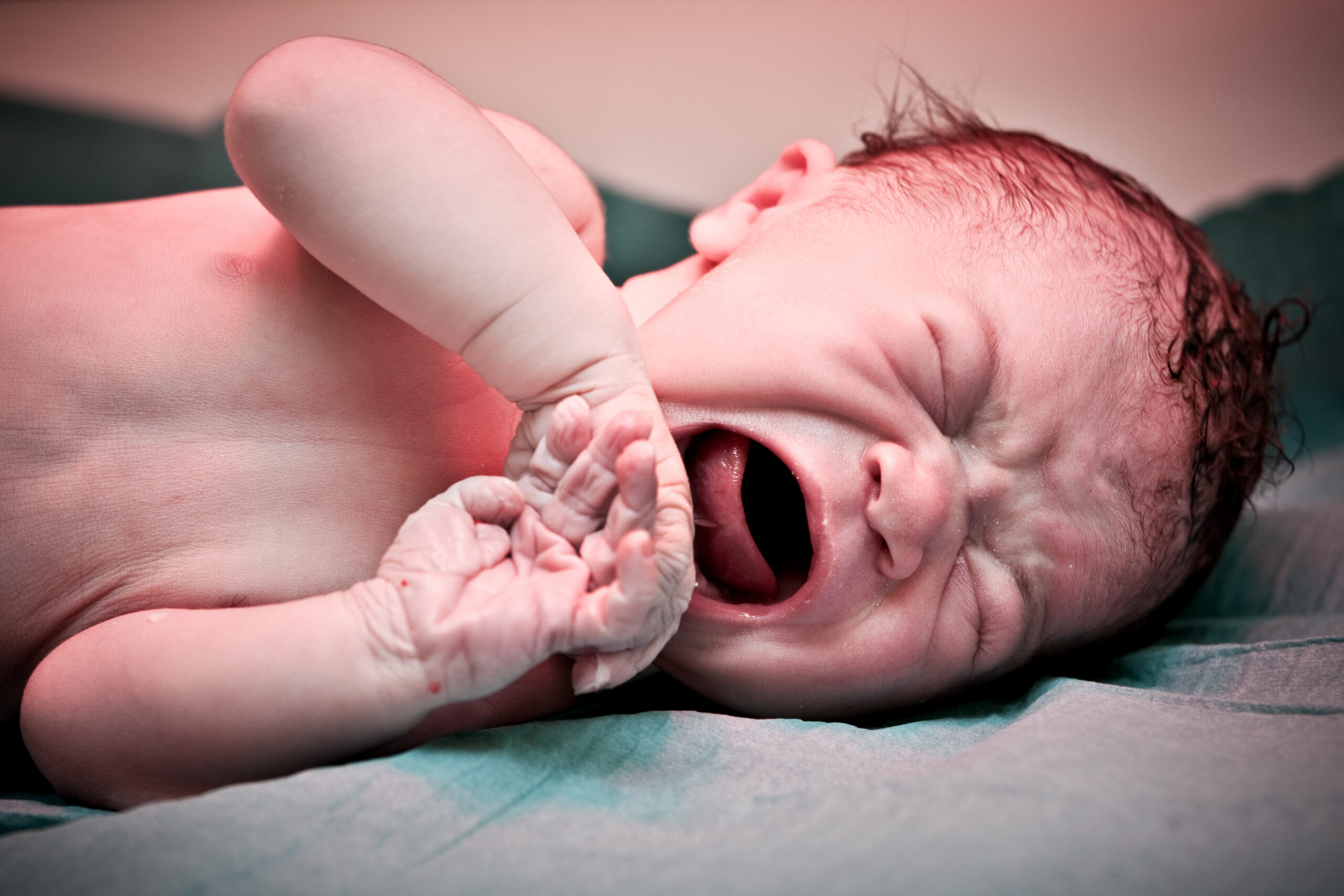
Hypoxic-ischemic encephalopathy (HIE) is a serious condition that can have long-term effects on a baby’s health and development. If your baby has been diagnosed with HIE or you suspect that your baby suffered HIE during labor and delivery, you need to seek the help of an experienced birth injuries lawyer at Beam Legal Team.
Our Chicago HIE attorneys fully understand that when you pursue a medical malpractice claim for hypoxic-ischemic encephalopathy, you are taking on the multi-billion dollar medical-hospital-insurance industry, not just a doctor or nurse.
At Beam Legal Team, LLC, our firm works with some of the finest trial lawyers in America, combining our resources, skills, and medical experts. Over the years we have secured over one billion dollars in verdicts and settlements for children with birth injuries, such as intellectual disability, caused by HIE.
When a medical mistake changes everything in an instant, Beam Legal Team stands ready with strength, compassion, and experience to fight for your child’s future.
Our experienced and dedicated birth injury attorneys are committed to securing the best possible outcome for your child. That’s why we fight for maximum compensation in every case, backed by years of experience and a trusted network of medical experts. If your child has been injured due to negligence, call our birth injury attorney at Beam Legal Team for a free consultation.
Beam Legal Team
Birth Injury Attorney
(866) 404-5221
Simply fill the form out below to request a consultation and we will be in touch shortly.
"*" indicates required fields
Hypoxic-Ischemic Encephalopathy (HIE) is a potentially fatal brain injury that occurs when a baby is deprived of oxygen during childbirth. This can happen when a baby is in distress during labor and delivery and does not have enough oxygen in its blood.
HIE can lead to a range of neurological problems as well as long-term physical and mental disabilities including:
The most common symptom of HIE is seizures, which can occur within the first 24 hours of birth. Other symptoms may include low muscle tone, difficulty breathing, lethargy, and poor feeding. If a baby shows any of these signs, it is important to seek medical attention as soon as possible.
HIE can be caused by a variety of factors, including problems with the umbilical cord, maternal infections, fetal or placental issues, prenatal bleeding, or problems related to maternal health. HIE can also arise from complications due to long labor, trauma during delivery, and unsupported vaginal delivery. HIE can have serious consequences for an infant’s physical and mental development and neurological and cognitive functioning. A prompt diagnosis and treatment are essential for babies who have HIE so they can begin receiving the specialized medical care they require.
Medical negligence can also be a potential cause of HIE; if your child has suffered an injury due to negligent care that led to oxygen deprivation during pregnancy or delivery, it’s important to speak with an experienced HIE lawyer in Chicago right away about your rights under the law.
When an infant experiences oxygen deprivation during birth, the immediate effect is on the brain cells. Brain cells require oxygen to function and survive; without it, they begin to die, a process that can start within minutes. This cell death can lead to permanent brain damage, manifesting as HIE.
The brain’s response to oxygen deprivation is both immediate and complex. In an attempt to preserve oxygen for vital functions, the brain may temporarily reduce blood flow to some areas, prioritizing essential regions such as those controlling heartbeat and breathing. This survival mechanism, while necessary, can exacerbate damage to less prioritized brain regions.
HIE severity depends on the duration of oxygen deprivation, the areas of brain affected, and how quickly appropriate medical response is initiated. Immediate treatment is critical; therapies like hypothermia therapy, where the infant’s body temperature is lowered to reduce brain metabolism and inflammation, have shown promise in reducing the severity of outcomes.
Recognizing the signs of HIE early and responding with appropriate medical interventions is crucial.
HIE occurs in three stages, each with its own set of symptoms. Knowing the signs and symptoms of HIE is important for parents and medical personnel who are monitoring newborns for the condition.
The first stage of HIE is mild and symptoms may appear after birth. These symptoms include:
These symptoms, in most cases, subside 24 hours after the baby’s birth. They should still be monitored carefully to ensure there’s proper treatment.
The second stage of HIE is considered moderate to severe HIE, usually marked by the following:
During the first weeks of life, proper medical care and effective treatment can significantly improve your baby’s diagnosis.
If left untreated, hypoxic-ischemic encephalopathy can progress to Stage III—the most severe form of the condition. At this point, babies may enter a coma-like stupor from which they cannot be roused; they also may exhibit the following:
If your baby exhibits any combination of these symptoms after birth, you should seek immediate medical attention for him or her.
It’s important to monitor newborns closely for any signs and symptoms of Hypoxic Ischemic Encephalopathy so that appropriate treatment can begin right away if necessary—this helps reduce prognosis significantly compared with delaying treatment until later stages have developed. Keep a close eye on your newborn for the telltale signs of HIE; if you suspect your child has suffered from oxygen deprivation at birth, get medical help immediately. Last but not least, consider speaking with legal counsel if medical negligence was involved in causing your child’s injury during delivery.
HIE prognosis ranges from mild delays to severe disabilities like cerebral palsy. With therapy, some achieve milestones like walking/talking, while others face lifelong cognitive, motor, vision, and hearing challenges. Early intervention can help greatly, and some HIE children can complete college, work, and live independently as adults with proper care.
However, many require lasting medical assistance and daily support. That’s why it’s so critical for families to reach out to a trusted birth injury law firm to get help securing compensation not only for their child’s immediate needs but also for all their care needs going forward.
If negligence like failing to address fetal distress, delayed delivery, or other factors caused HIE brain damage, families may have a medical malpractice case. Lawyers may consult medical experts to review if negligence occurred and fight for the compensation needed to cover:
The legal process aims to hold negligent parties accountable and ensure all the child’s needs are met.
HIE cases can be very difficult and stretch on for years. It requires a unique dedication to pursue a case for many years, when necessary, against some of the largest insurance companies in the world. Our firm and the professionals that we work with across the country embody the qualities required for success under these conditions. Our HIE attorneys in Chicago are here to help your child.
We have made it our focus and firm commitment to aggressively protect the rights of children with birth injuries. During the past three decades, we have joined with some of the finest trial lawyers in America and pooled our resources, skills, and medical analysts to fight for brain-injured children.