
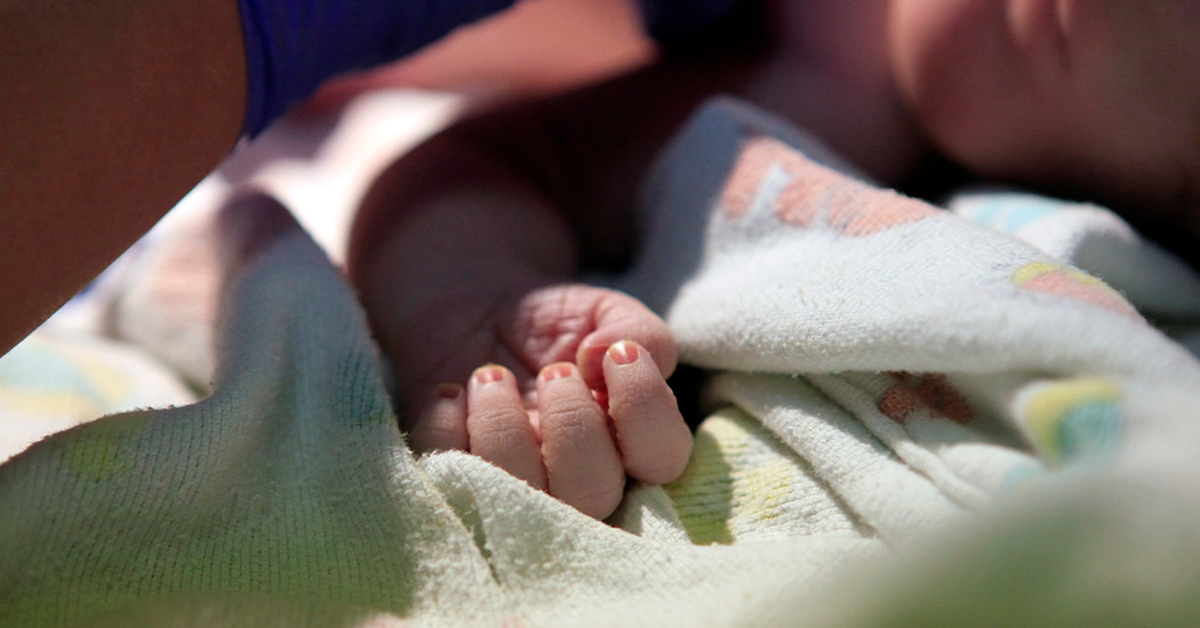
When a baby is born, families place enormous trust in doctors, nurses, and hospital staff to protect both mother and child. In most deliveries, medical professionals provide the care and expertise needed for a safe outcome. But when something goes wrong, the results can be devastating.
Birth injuries can happen for many reasons before, during, or after delivery. Some are unavoidable medical complications. Others, however, occur because healthcare providers fail to respond appropriately or follow accepted standards of care. Understanding the most common causes of birth injuries can help parents recognize when medical negligence may be responsible for what happened.
At Beam Legal Team, we often meet families who ask whether the harm could have been prevented and who they can hold responsible for their child’s future. To discuss your case with our birth injury lawyer, contact us to schedule your free consultation.
Birth Injuries are More Common Than Many People Realize
While birth injuries are not always widely discussed, they happen more often than most parents expect.
According to a National Library of Medicine review, nearly two out of every 1,000 births in the U.S. involve birth injuries. With around 3.6 million births per year, that is about 7,200 babies affected nationwide annually.
Not all birth injuries are preventable, but many result from medical negligence during labor and delivery. When situations escalate quickly, delayed action can cause lifelong consequences to the mother and baby.
That is why proper monitoring, training, and decision-making are critical to preventing irreversible harm.
Common Causes of Birth Injuries
In medical malpractice litigation, birth injury cases often share common underlying causes. These cases frequently involve preventable failures in monitoring, decision-making, or timely intervention.
These types of negligence often lead to severe birth injuries:
1. Oxygen Deprivation (Birth Asphyxia)
One of the most serious causes of birth injury is a lack of oxygen during labor or delivery. When the brain does not receive enough oxygen, harm can occur within minutes.
Oxygen deprivation can lead to conditions such as:
- Hypoxic-ischemic encephalopathy (HIE)
- Brain damage
- Cerebral palsy
- Developmental disabilities
Lack of oxygen often occurs when providers fail to respond quickly to signs of fetal distress.
2. Failure to Monitor Fetal Distress
Providers are trained to continuously monitor the baby’s heart rate and oxygen levels during delivery. Doctors and nurses use fetal tracings and direct observation to see when labor begins to overwhelm the baby.
Fetal distress warning signs may include:
- Abnormal heart rate patterns
- Umbilical cord complications
- Placental insufficiency
When medical teams fail to recognize or act on fetal distress signals, the baby may suffer permanent harm. A delayed response can mean the difference between a safe delivery and long-term disability.
3. Prolonged or Difficult Labor
Long or obstructed labor increases the risk of injury to both the infant and mother. According to the American Pregnancy Association, labor is considered prolonged after 14 hours for those who have given birth before and 20 hours for first-time deliveries.
Complications may include:
- Shoulder dystocia
- Excessive pressure on the baby’s head
- Nerve injuries
In these situations, medical staff must anticipate risks and take action before delivery becomes dangerous.
If prolonged labor was mishandled, our birth injury lawyers can work with medical experts to evaluate whether the standard of care was violated.
4. Improper use of Forceps or Vacuum Extractors
Delivery tools like forceps or vacuum extractors can sometimes assist with a difficult birth. However, when misused, they can cause serious trauma, including:
- Skull fractures
- Brain bleeding
- Facial nerve damage
- Erb’s palsy
Even with modern obstetric care, forceps delivery still carries significant risk. An extensive North American study found maternal trauma in about one in four attempted forceps births, with severe infant injury occurring in roughly one in 100 cases.
5. Delayed or Mismanaged C-Sections
A Cesarean section can be a life-saving intervention when complications arise. But delays in ordering or performing an emergency c-section can result in catastrophic injury.
These emergencies may require immediate delivery:
- Fetal distress
- Placental abruption
- Umbilical cord prolapse
Missing warning signs or failing to act promptly in these situations may constitute medical negligence.
When Medical Errors Become Grounds for a Birth Injury Claim
Not every birth complication is malpractice. But when doctors and nurses fail to follow proper medical standards, families may have legal options.
Our birth injury lawyers help families understand what went wrong, whether it could have been prevented, and what steps come next.
Your legal team can:
- Review medical records for errors or delays
- Consult qualified medical specialists
- Explain whether the standard of care was violated
- Identify responsible providers or hospitals
- Pursue compensation to support your child’s long-term needs
Proving malpractice starts with a thorough medical review. Our team partners with trusted specialists to learn what went wrong and build a strong, evidence-based case for families who deserve accountability.
Explore Your Legal Options With a Qualified Attorney
Few events are more painful than learning your child was harmed during birth, especially if the injury could have been prevented. With decades of experience handling birth injury cases, we understand how overwhelming and emotional this time can be for families.
We provide compassionate, thorough representation for parents seeking answers and long-term security for their children. With more than $1 billion recovered, we have the resources to take on hospitals and insurers that refuse to accept responsibility.
If your child suffered a brain injury, cerebral palsy, Erb’s palsy, or another serious condition, contact our birth injury lawyers for a free, confidential consultation to learn what options may be available.