
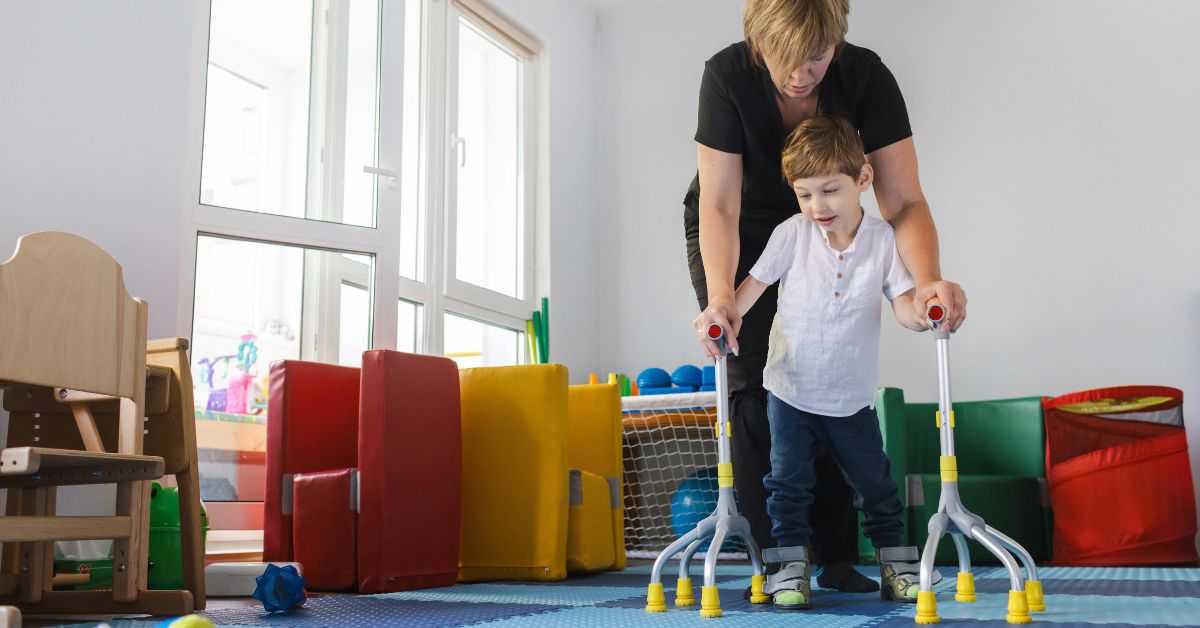
Caring for a child with a birth injury is emotionally and financially overwhelming. Medical treatments, therapies, adaptive equipment, and long-term care can become expensive, and many families are unsure where to turn for support.
The good news is that several government programs, at both the state and federal levels, can provide crucial financial and medical assistance. In Illinois, thousands of families rely on Early Intervention, DSCC, and Medicaid waiver programs each year to support children with complex medical needs.
However, navigating these programs can be confusing, time-consuming, and frustrating, especially for families already juggling doctors’ appointments, home care, and recovery schedules.
That’s where our Chicago birth injury lawyers become a vital resource. We help families understand what benefits are available, how to qualify, and what to do if negligence played a role in your child’s injury.
Federal Programs That Support Children With Birth Injuries
Many children with birth injuries qualify for federal programs designed to provide financial assistance, medical coverage, and services that support long-term development, such as:
Supplemental Security Income (SSI)
SSI is often the first program families explore. It provides monthly financial assistance for children with disabilities that limit daily functioning. Many birth injuries, such as cerebral palsy, hypoxic-ischemic encephalopathy (HIE), seizures, developmental delays, or mobility impairments, can qualify a child for SSI.
Eligibility depends on:
- The severity of the disability
- Household income and resources
- Medical evidence supporting the child’s condition
SSI can help families cover essential expenses such as food, clothing, housing, and transportation. Importantly, SSI eligibility may also open the door to additional services tied to disability programs.
Medicaid Coverage for Medical Care
Children who receive SSI often automatically qualify for Medicaid, the federal-state health insurance program that provides comprehensive medical coverage. Medicaid is essential for families handling the long-term effects of a birth injury because it typically covers:
- Specialist visits
- Surgeries and hospitalizations
- Therapies (PT, OT, speech)
- Durable medical equipment
- Home health services
Even if a family does not qualify financially for SSI, a child may still be eligible for Medicaid through disability pathways, waiver programs, or medically needy coverage.
Children’s Health Insurance Program (CHIP)
For families who do not meet Medicaid’s income requirements but cannot afford private insurance, CHIP offers low-cost medical coverage for children with healthcare needs. It often covers many of the same services as Medicaid and can ease financial strain.
Illinois State Programs and Services
Illinois has several programs that can help families meet a child’s medical and developmental needs, including:
Early Intervention (EI) Services
Illinois’ Early Intervention Program gives children from birth to age three access to essential therapies and developmental services, such as:
- Physical therapy
- Occupational therapy
- Speech therapy
- Developmental therapy
- Nutrition counseling
Early Intervention can improve long-term outcomes, especially for children with neurological injuries or developmental delays.
Division of Specialized Care for Children (DSCC)
Illinois’ DSCC helps coordinate care for children with chronic health conditions, including cerebral palsy, genetic disorders, brain injuries, and severe medical needs. DSCC may assist with:
- Care coordination
- Medical equipment
- Transportation
- Access to specialty care
This support can play a critical role for families managing multiple specialists, treatments, and care needs.
Medicaid Home- and Community-Based Waiver Programs
Illinois offers several Medicaid waiver programs that allow children with medical needs to receive care at home rather than in institutional settings. Support may include in-home nursing, assistive technology, and respite care for parents and caregivers.
Challenges Families Face When Applying for Benefits
Although these programs are designed to help families, the application process can be overwhelming. Determining eligibility, collecting medical documentation, completing forms, and appealing denied benefits can take months—time many families do not have.
Obstacles such as paperwork errors, inadequate medical documentation, or misunderstandings about eligibility requirements often cause delays or denials.
How Chicago Birth Injury Lawyers Can Help
Birth injury cases require a combination of medical expertise, legal strategy, and an understanding of how government benefits intersect with these cases. Our Chicago birth injury lawyers help families secure benefits while pursuing compensation when negligence is involved.
We can:
- Explain which state and federal programs a child may qualify for
- Help families gather and submit the medical records needed for approval
- File appeals if benefits are denied
- Coordinate with medical experts to confirm the child’s long-term needs
- Investigate whether medical negligence caused the injury
- Seek damages through a birth injury claim to cover care that government benefits do not fully address
Government programs are beneficial, but they often do not cover the full cost of a lifetime of medical care. A successful birth injury case can provide funds for therapy, equipment, housing modifications, transportation needs, and future medical treatment.
You Don’t Have to Manage Your Child’s Birth Injury Alone
If your child suffered a birth injury, you have options, and support is available. Government programs can provide essential help, but the process can be complex. We can guide your family through these systems and pursue justice if negligence played a role in your child’s injury.
Contact us today to learn how we can help protect your child’s future.